
Hard Times
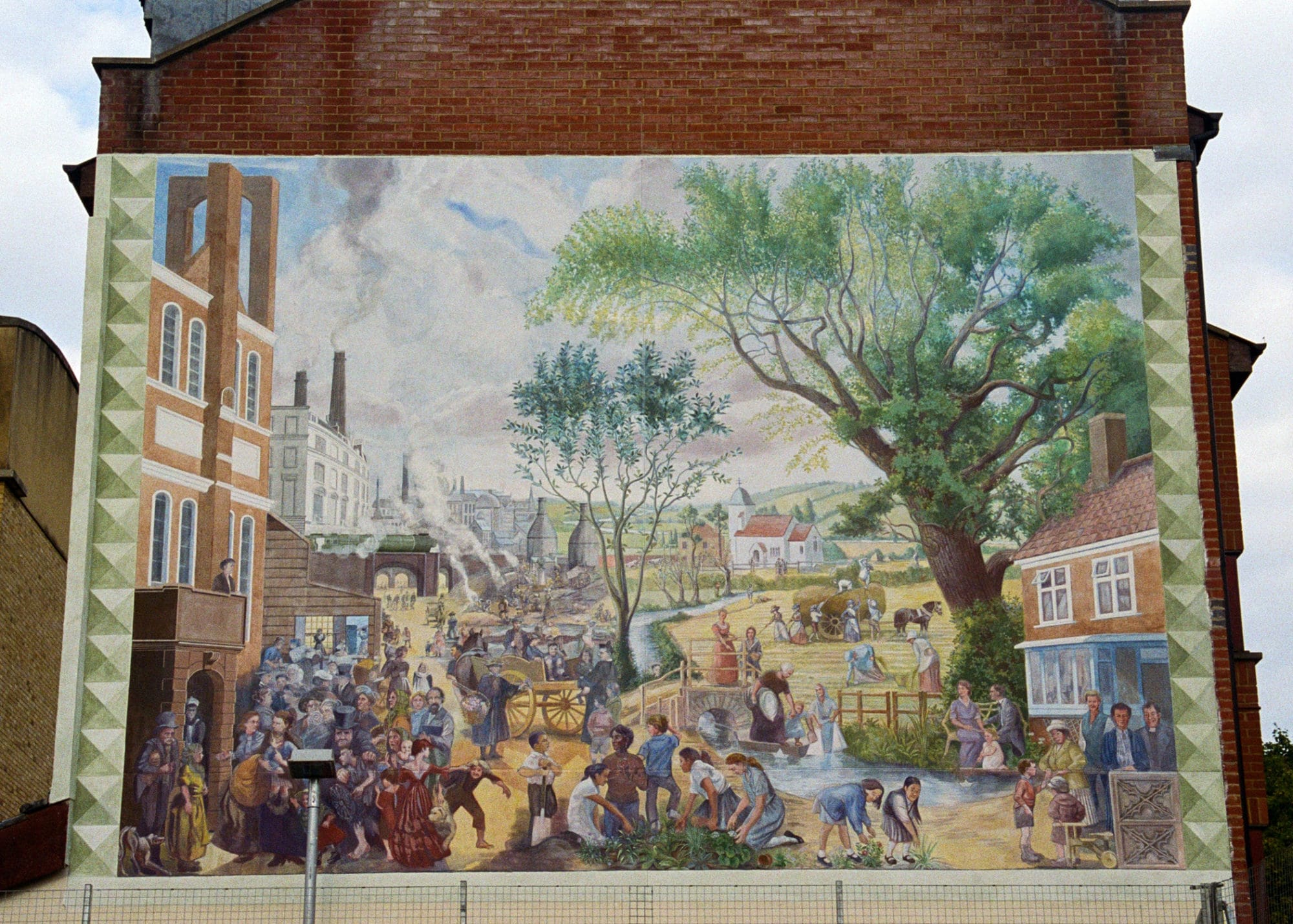
For many families in Somers Town, daily life involved returning to homes plagued by dampness, bed bugs, fleas, and poor air quality. The rapid growth of nearby railway stations only intensified severe overcrowding and deteriorating living conditions.
After graduating from Magdalen College, Oxford, Father Basil Jellicoe was appointed to Somers Town, where he confronted a severe housing crisis that deeply impacted him.
Convinced that faith is best demonstrated through actions, he became a passionate advocate for the fundamental right of every individual to live with dignity.
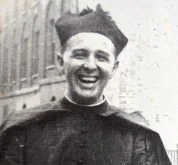
Jellicoe’s response was courageous and compassionate. He established the St Pancras House Improvement Society, launching a major slum clearance initiative and founding a housing association dedicated to offering high-quality homes at affordable rents.
His vision centered on enhancing residents’ lives without displacing them. Decorative features—ceramic ornaments and sculptures by Gilbert Bayes—were seamlessly incorporated into the new buildings, adding beauty to everyday surroundings and cultivating a strong sense of community pride.
A Pub With a Purpose

Recognising the needs of working families, Jellicoe became a pub landlord in 1929. His “reform pub” offered a safe and welcoming space that avoided exploiting the poor or encouraging excessive drinking.
It provided hot meals and fostered a deep sense of community. The pub’s opening was marked by visits from the Prince of Wales and the Archbishop of Canterbury, underscoring its significance.
Personal Sacrifice and Enduring Impact
Jellicoe’s dedication to social reform came at a high personal cost. His relentless efforts took a toll on his health, leading to his untimely death in 1935 at just 36 years old. Despite this, his legacy endures.
The St Pancras House Improvement Society has evolved into today’s Origin Housing, managing thousands of homes across London and Hertfordshire. The core principle it upholds—that housing alone is not enough—remains central to its mission, emphasizing dignity, community, and beauty as essential to a good life.
A Lasting Legacy
Jellicoe transformed social housing into more than mere shelter—he saw it as the foundation of community life and well-being. Through his leadership, community centres, nurseries, and support services were seamlessly integrated into new housing developments.
His effective fundraising attracted backing from key individuals and organisations, ensuring the enduring success of his initiatives.
His memory continues to be honoured in many meaningful ways:
- Annual events and talks, including the Jellicoe Sermon at Magdalen College, Oxford, celebrate his life and work.
- Community projects and exhibitions—at the British Library and local museums—share his story with new generations.
- The Jellicoe Community and internship programmes empower young people to engage in social action and community development.
- Additional plaques at St Nicholas Flats and Basil Jellicoe Hall in Camden pay tribute to his contributions.
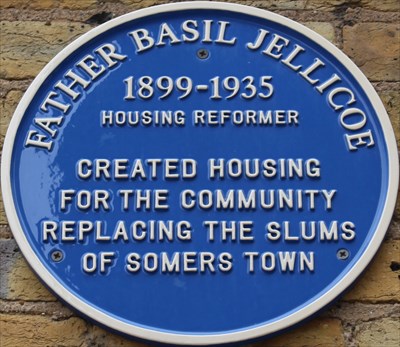
Location 1: Basil Jellicoe Community Hall, St Joseph’s Fl.ats, Drummond Crescent, NW1 1NG.
Location 2: St Nicholas Flats, Werrington Street, NW1.
Jellicoe believed that “the right to live decent lives” should guide both faith and public policy. His legacy shows that lasting change is born when compassion, creativity, and determination come together.
Father Basil Jellicoe’s story is one of innovation, empathy, and active faith. He believed that religion should enrich lives—a conviction reflected in the enduring difference he made in Somers Town and beyond.
His influence lives on through social housing projects, community support programmes, and exhibitions celebrating the artwork that once adorned his buildings.
J
Related Posts
Father Basil Jellicoe
In the early 1930s, Father Basil Jellicoe’s unwavering commitment brought…
Audio Book of Somers Town Girl – Coming Soon🎧
🎧 We’re thrilled to announce that 'A Somers Town Girl'…