
Discover the Hidden Heart of the City
Nestled quietly between Euston, St Pancras, and King’s Cross—three of London’s busiest railway hubs—lies Somers Town.
This vibrant neighbourhood is rich with character, deep history, and a truly unique spirit. Whether you are:
- Visiting London for the very first time, or
- A lifelong local who has lived here for decades…
Somers Town is a magnificent hidden gem that is incredibly easy to miss—and even easier to fall in love with.
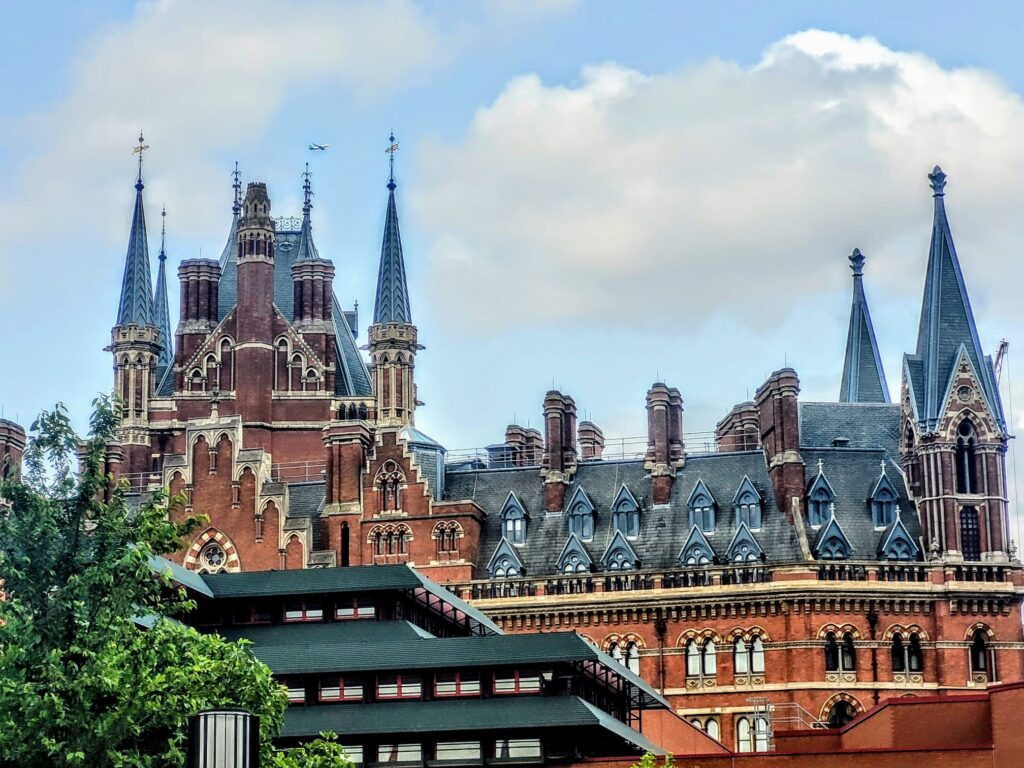
The Dust Heaps of Somers Town (1836)

Before the railways arrived, Somers Town and Battle Bridge (now known as King’s Cross) were infamous throughout London for their sheer filth. The entire landscape was dominated by towering, legendary dust heaps.
These weren’t just piles of dirt—they were massive mounds of city waste that included:
- Cinders and ash from fireplaces.
- Barley husks discarded by local brewers.
- Broken crockery, old rags, and animal bones.
Charles Dickens, who lived in Somers Town as a boy, was fascinated by them. He famously described the Great Dust Heap as looking like a “lofty chain of dark mountains” looming over the neighbourhood.
The Secret French History of Somers Town
Bonjour, Somers Town! Did you know that in the 1790s, our neighbourhood became a bustling sanctuary for thousands of French refugees fleeing the French Revolution?
While wealthy aristocrats headed for luxury West End flats, the poorer artisans, labourers, and exiled priests moved right here. A local property slump meant cheap, freshly built housing was up for grabs—making it the perfect affordable haven.
They completely transformed the area, leaving an incredible legacy:
- Chalton Street Cafés: The exiles brought a taste of home to the area, opening French bistros and artisan workshops.
- St Aloysius Church: Exiled priests built a thriving community hub and opened the famous church on Phoenix Road in 1808.
- Neighbourhood Lifelines: Led by Abbé Carron, they set up vital schools, orphanages, and soup kitchens to feed the local poor.
- A Radical Melting Pot: The cheap rents also attracted legendary free-thinkers like early feminist Mary Wollstonecraft, who lived right alongside the French.
By the early 1800s, this pocket of London was a beautiful, chaotic mix of French culture, radical ideas, and deep-rooted community spirit.
The Railway Changes Everything
By the mid-19th century, the railway age had arrived. The construction of Euston, St Pancras, and King’s Cross transformed the area forever, bringing:
- Noise, steam, and thousands of workers to the neighborhood.
- Massive demolition, as grand older homes were torn down to lay tracks.
- New housing booms were built rapidly to pack in railway workers and their families.
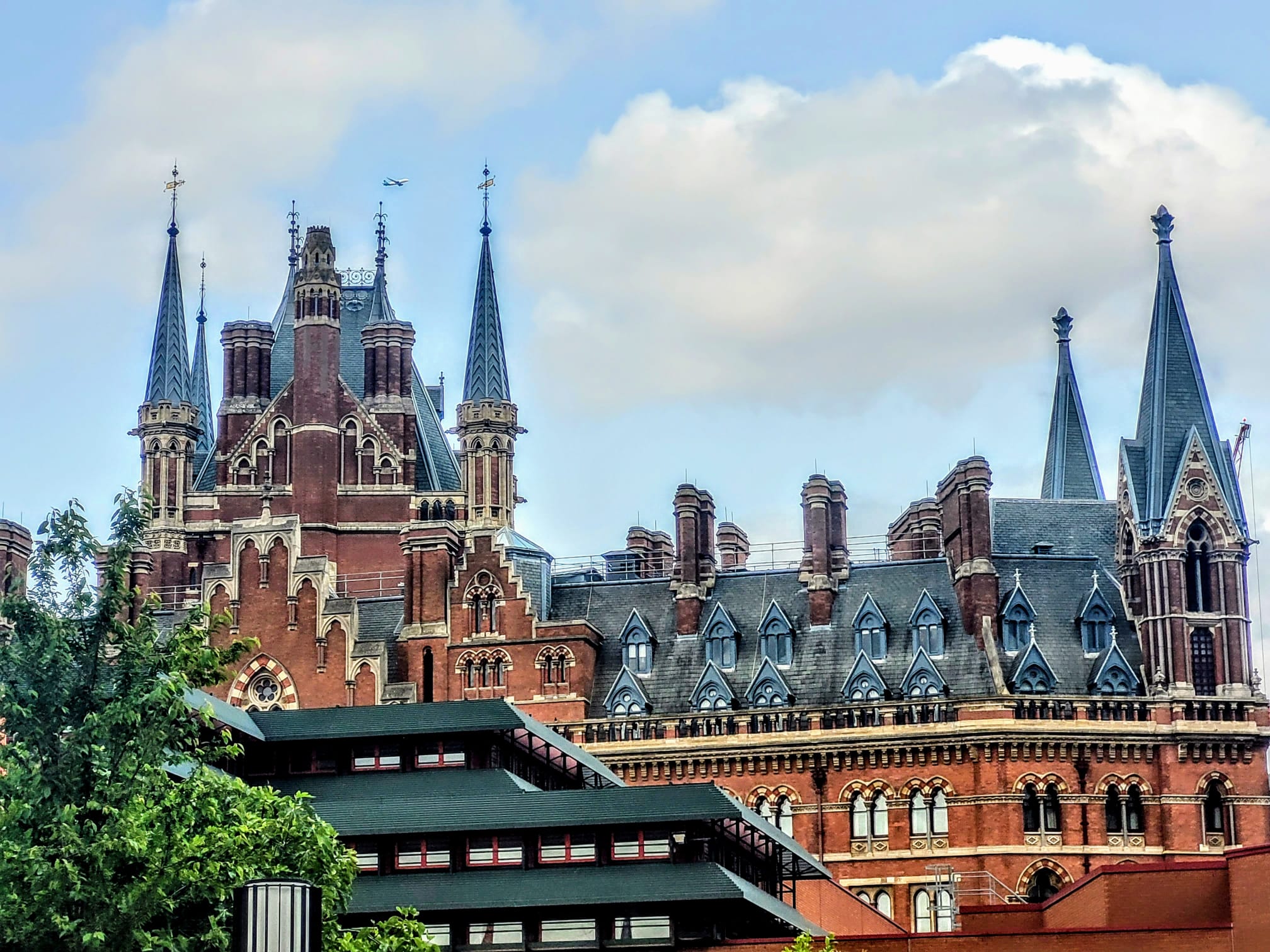
Victorian Life & Social Change
Somers Town became famous for its vibrant street life, lively street vendors, and bustling markets along Chalton Street and Ossulston Street. Yet beneath the energy, overcrowding and poverty grew.
This drew famous reformers and social advocates to the neighborhood, including Mary Wollstonecraft, a pioneering champion of women’s rights. Many gathered at The Polygon—a famous, distinctive round-edged building that stood at the very center of Somers Town as a hub for poets, radicals, and free-thinkers.
20th Century: War and Renewal
Through the hardships of the 20th century, the legendary community spirit of Somers Town never wavered.
- Social Housing Pioneers: In the 1930s, the construction of the Ossulston Estate set a brand-new architectural standard for inner-city flats.
- Community Resilience: Neighbors continuously banded together through wartime and redevelopment, always welcoming newcomers with a smile.
Modern Somers Town: Hidden Gems & Local Life
Today, Somers Town remains a fiercely proud, multicultural neighborhood brimming with unique independent shops, inviting cafés, and pocket parks.
Places of Interest
- The British Library: Located just a stone’s throw away, it is perfect for a quiet coffee and a wander among historic books.
- The Francis Crick Institute: A world-class hub right on our doorstep, where scientists unlock the secrets of health and life.
- Local Street Art: Colorful murals across our walls showcase the area’s rich history.
Somers Town Legends
- Mary Wollstonecraft: The early feminist who fought for women’s rights from her home here.
- Beryl Bainbridge: The acclaimed novelist who proudly called this neighborhood home.
- Charles Dickens: Found endless inspiration for his timeless stories and colorful characters in our narrow alleyways.
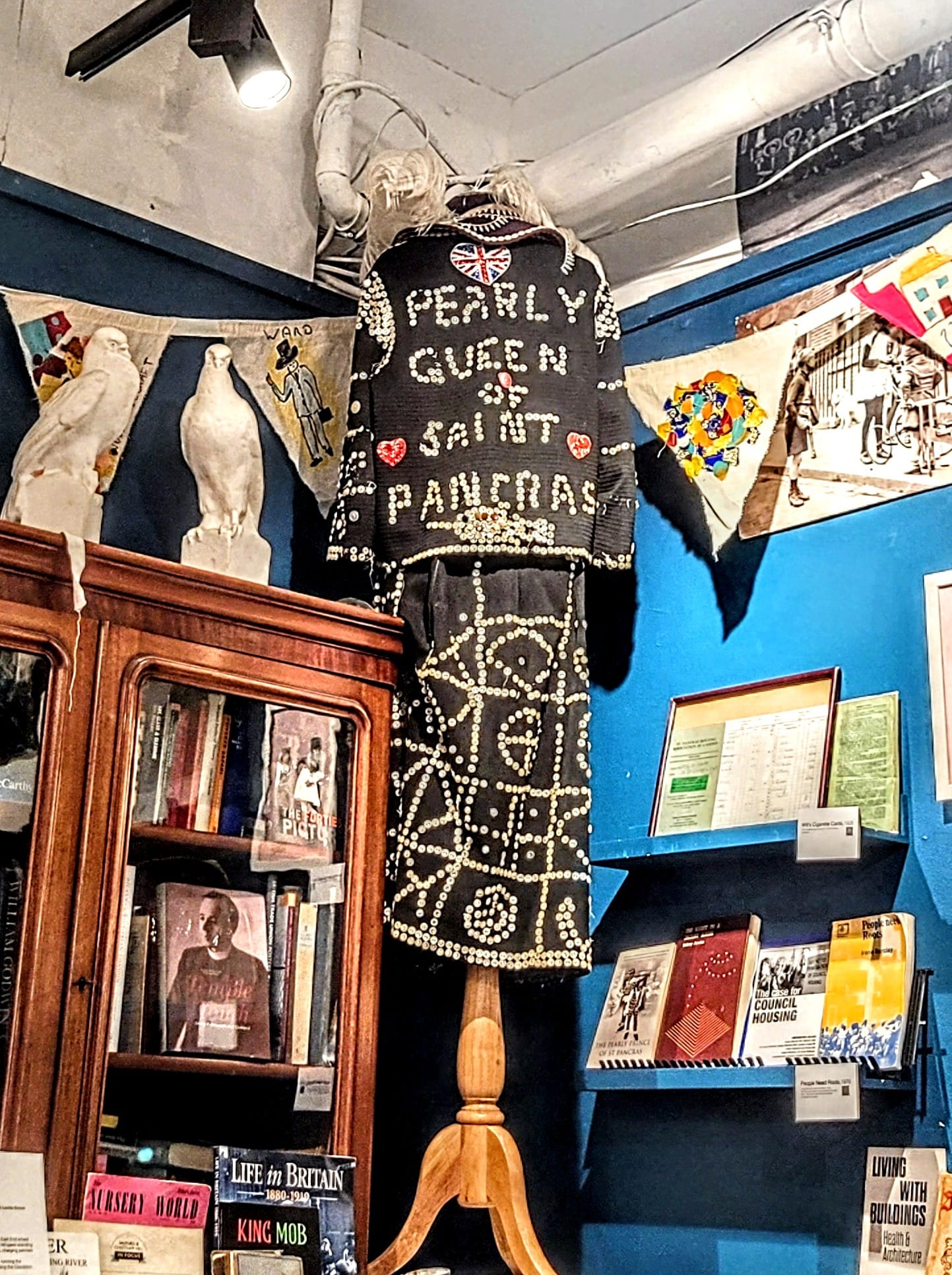
Why Visit Us Today?
- The People’s Museum: Located at 128 Phoenix Street, this quirky, welcoming hub is a captivating blend of local history. Pop in for a chat, a coffee, and a look at our community exhibits!
- Street Festivals: Throughout the year, our streets come alive with vibrant community art shows and festivals.
- Easy Connections: We are just a 5-minute walk from King’s Cross, St Pancras, and Euston stations.

Charles Dickens found rich inspiration for his stories in the narrow alleyways and colourful characters of Somers Town.
Click <here> to see my video inside the Museum…